Discoveries that illuminate the historical accuracy of Scripture
51 artifacts and discoveries
A collection of 382 cuneiform tablets found in Egypt containing diplomatic correspondence between Egyptian pharaohs and Canaanite rulers (14th century...
Photo: Wikimedia Commons
Over 100 inscribed pottery shards from the fortress of Arad in the Negev, including references to the 'House of YHWH' and priestly families mentioned...
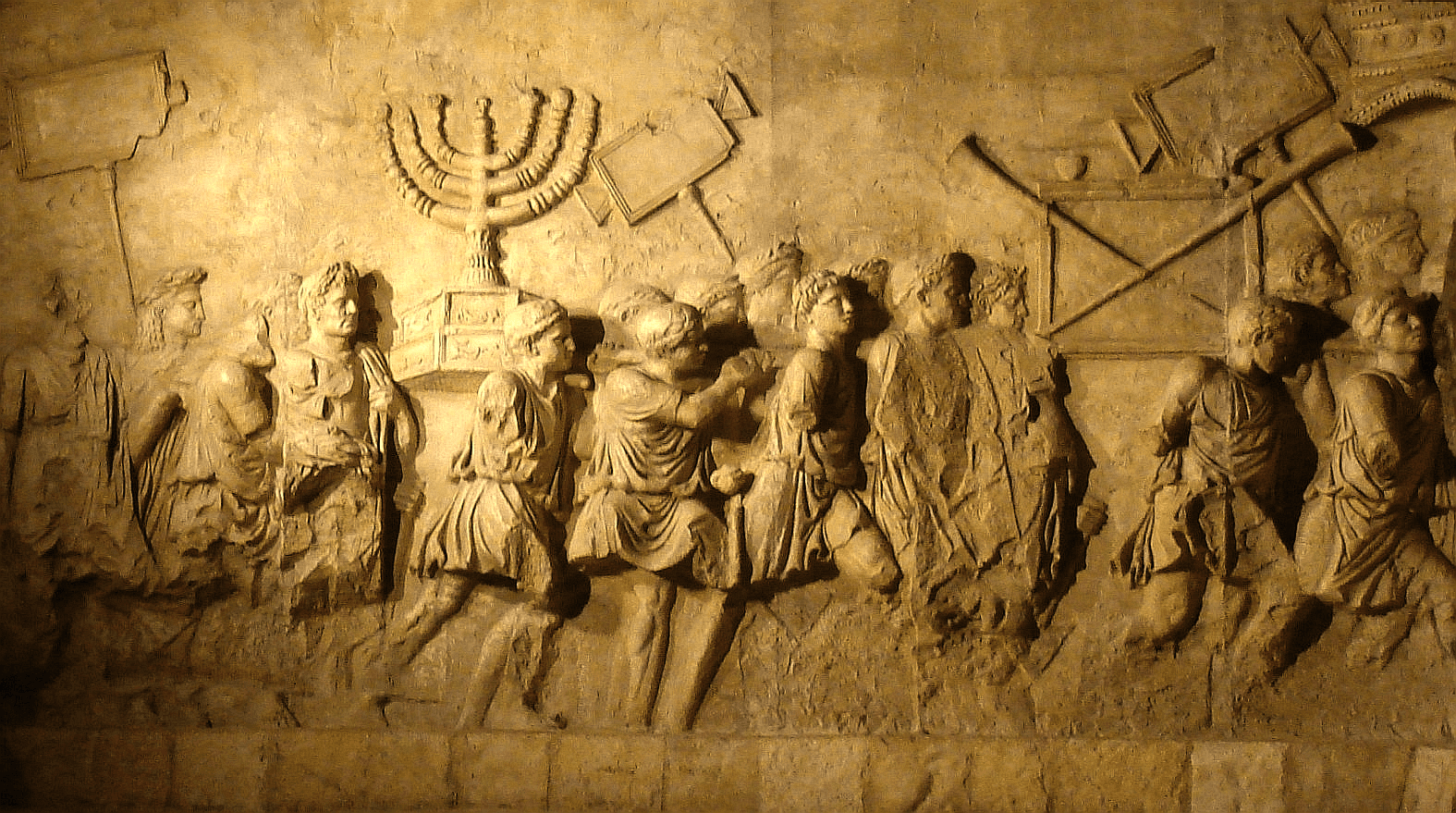
A Roman triumphal arch in Rome depicting the spoils of the Jerusalem Temple being carried in procession after its destruction in AD 70.
A series of clay tablets recording major events of Babylonian history, including Nebuchadnezzar II's capture of Jerusalem in 597 BC.
A Neo-Assyrian black limestone obelisk depicting King Jehu of Israel bowing before the Assyrian emperor Shalmaneser III, dating to 841 BC.
An ornate limestone ossuary bearing the inscription 'Joseph son of Caiaphas,' believed to have held the remains of the high priest who presided over t...
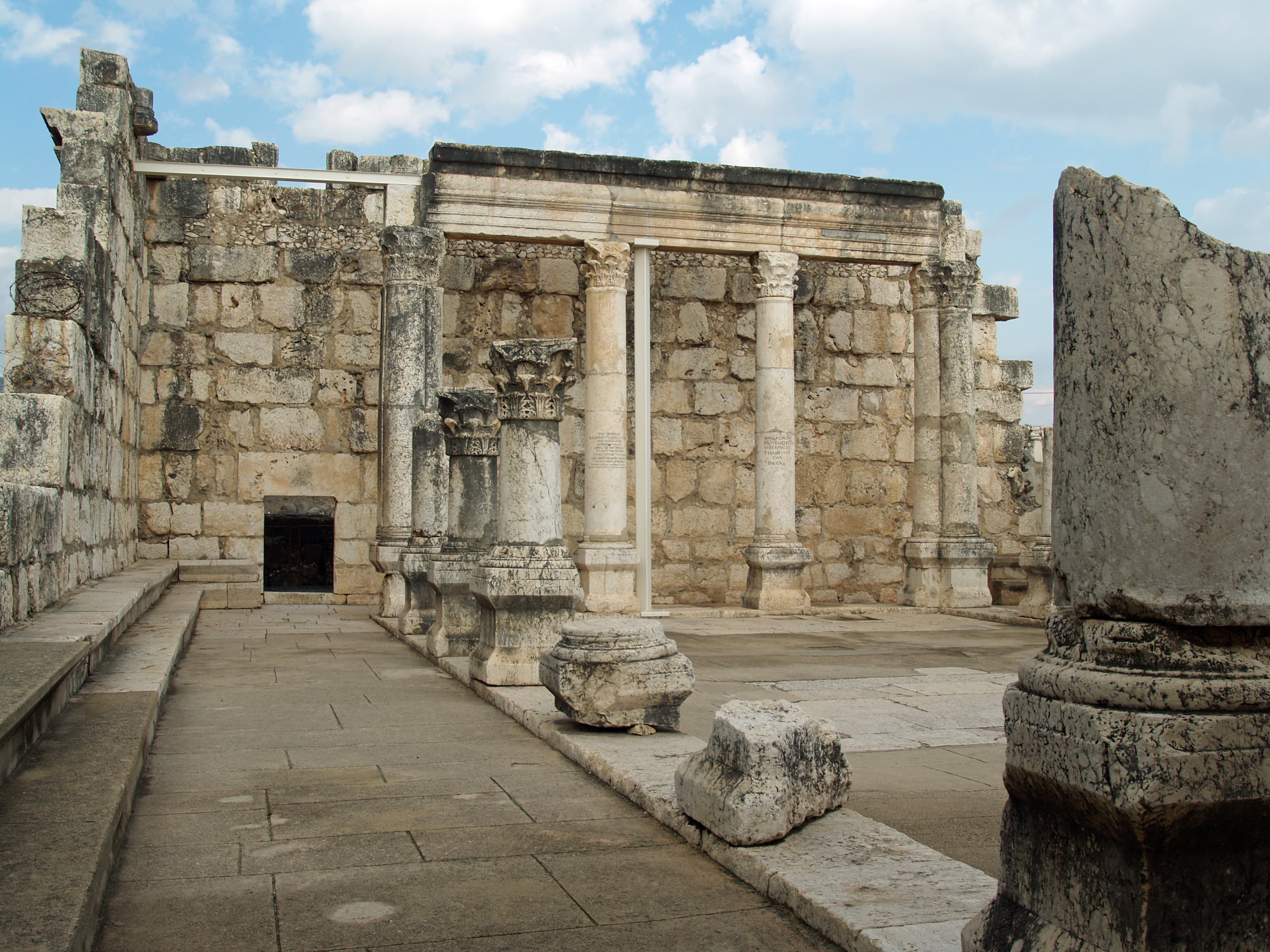
Ruins of a limestone synagogue in Capernaum built over a 1st-century basalt foundation, at the site where Jesus established his Galilean ministry head...
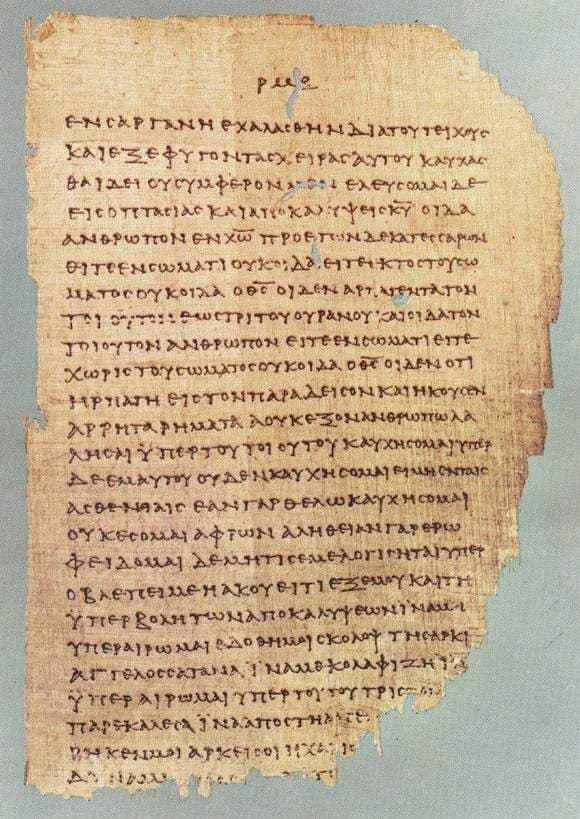
A group of early Christian papyrus codices dating from the 2nd to 4th centuries, containing substantial portions of the Old and New Testaments in Gree...
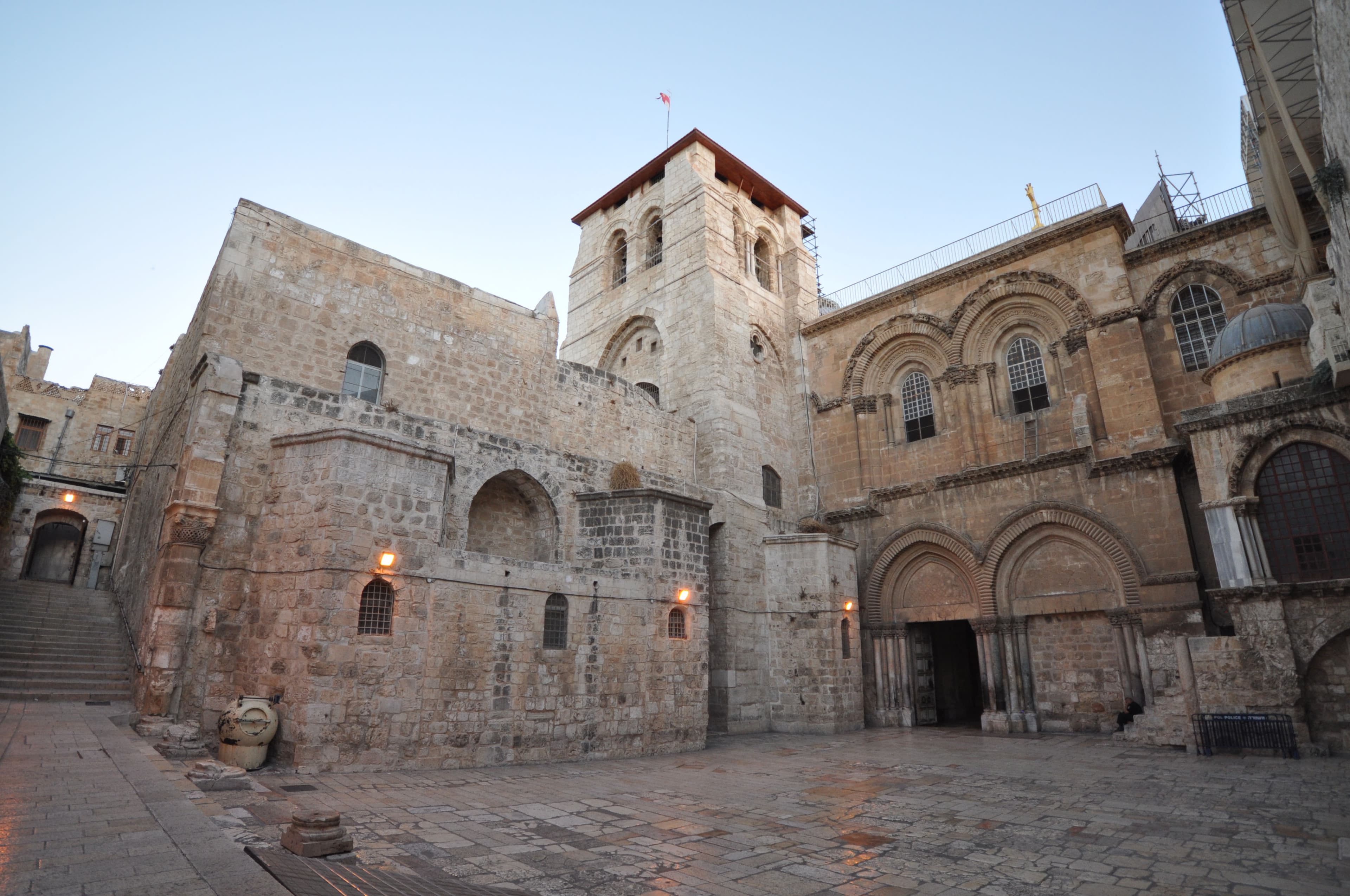
An ancient church built over the traditional sites of Jesus' crucifixion (Golgotha) and burial, originally constructed by Emperor Constantine in the 4...
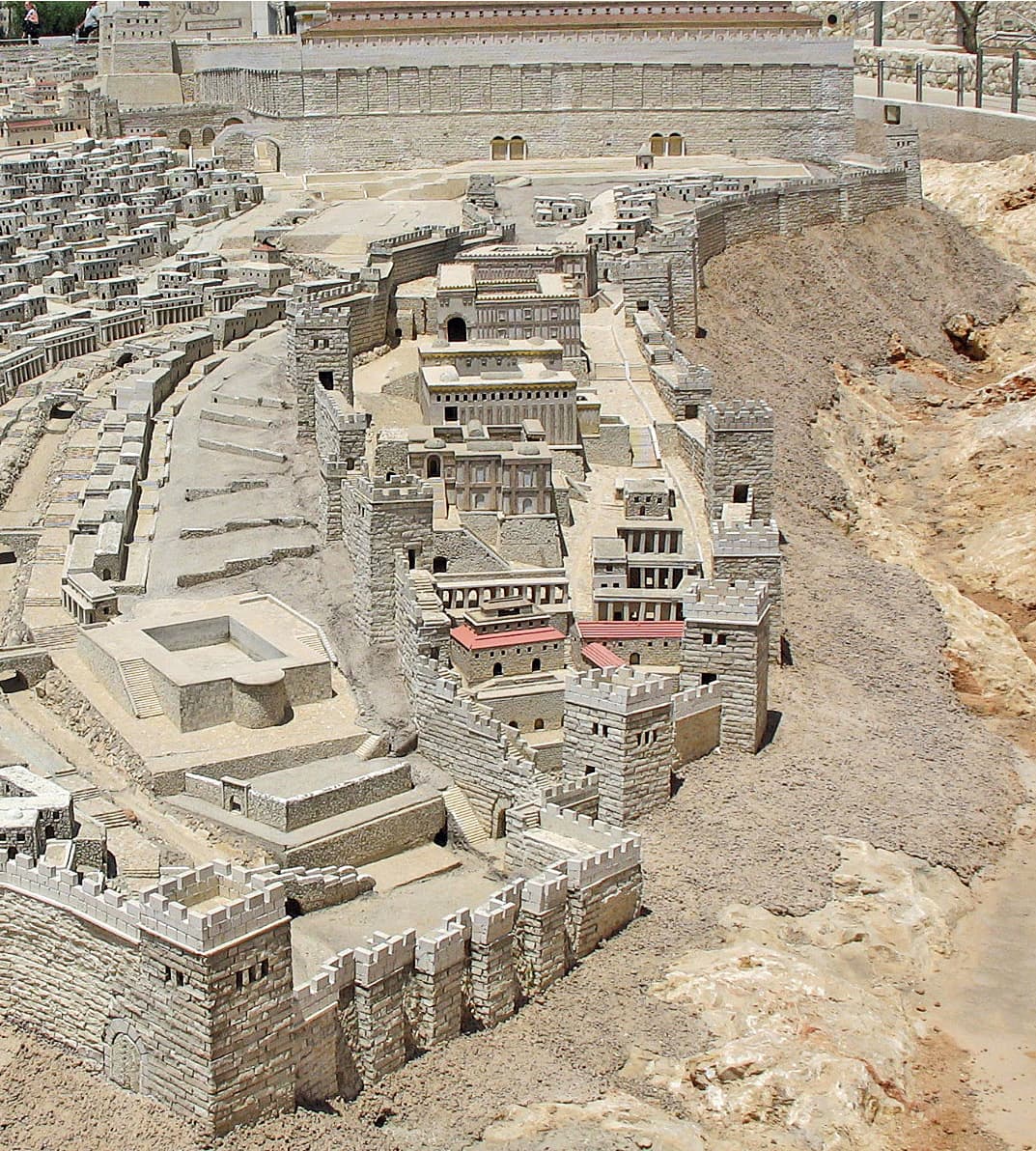
Ongoing archaeological excavations in the oldest settled area of Jerusalem, revealing structures and artifacts from the biblical period including the...
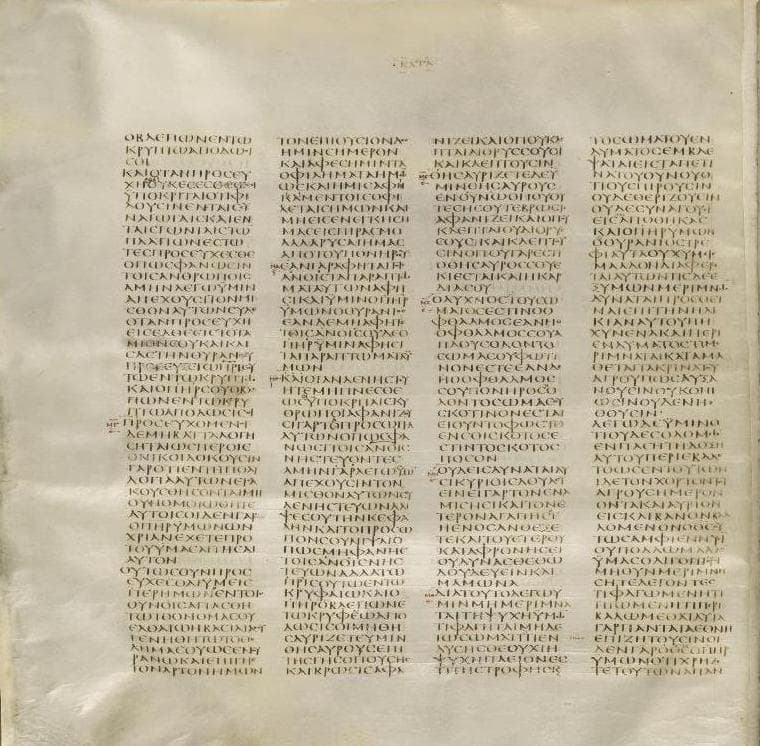
One of the oldest and most complete manuscripts of the Christian Bible, written in Greek on parchment in the 4th century AD. Contains the entire New T...
A 4th-century Greek manuscript of the Bible, considered one of the most important witnesses to the original text. Contains most of the Old and New Tes...
Skeletal remains of a 1st-century man with a nail still embedded in his heel bone, providing the only direct archaeological evidence of Roman crucifix...
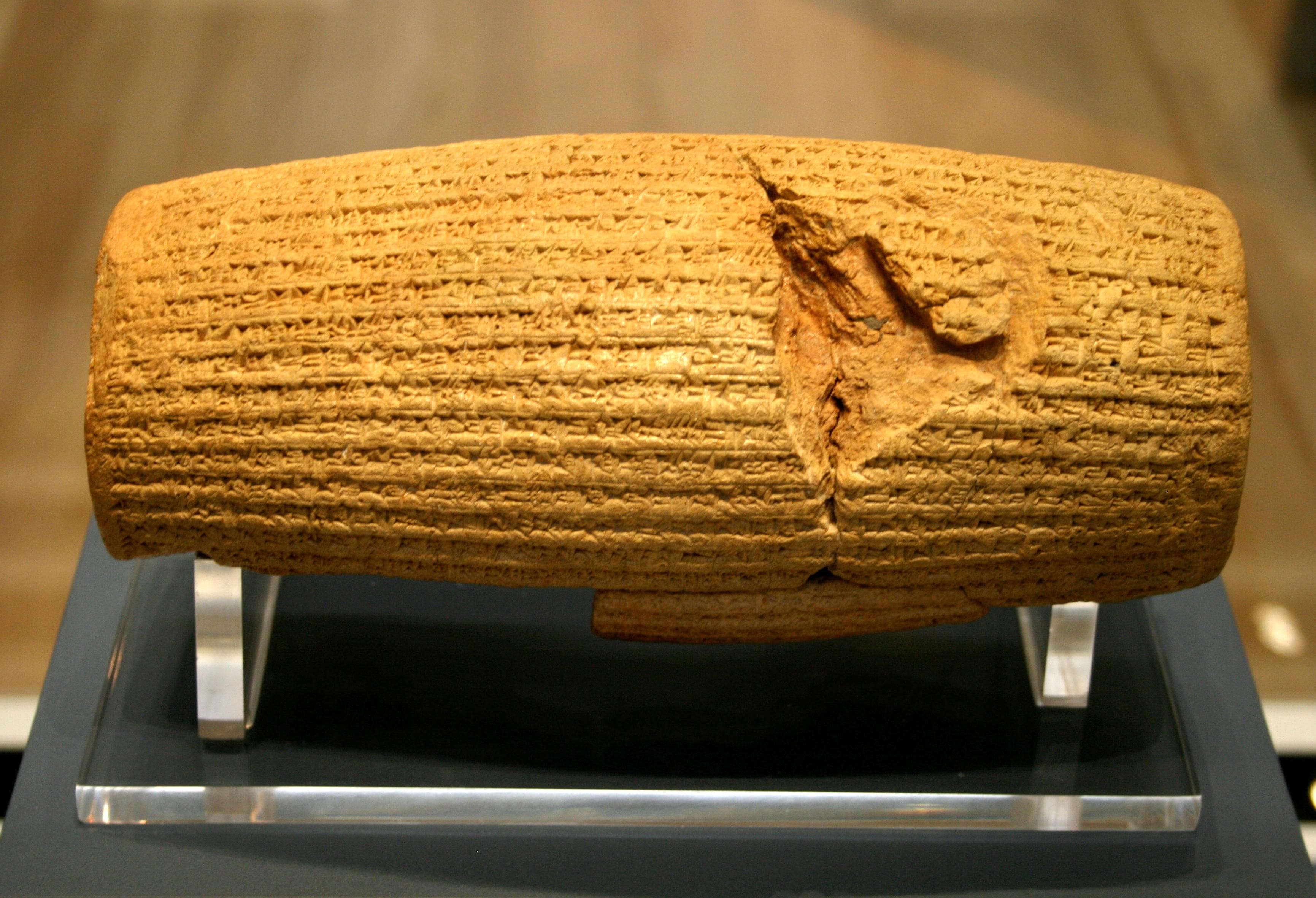
An ancient clay cylinder inscribed in Akkadian cuneiform by Cyrus the Great of Persia, recording his conquest of Babylon and his policy of returning d...
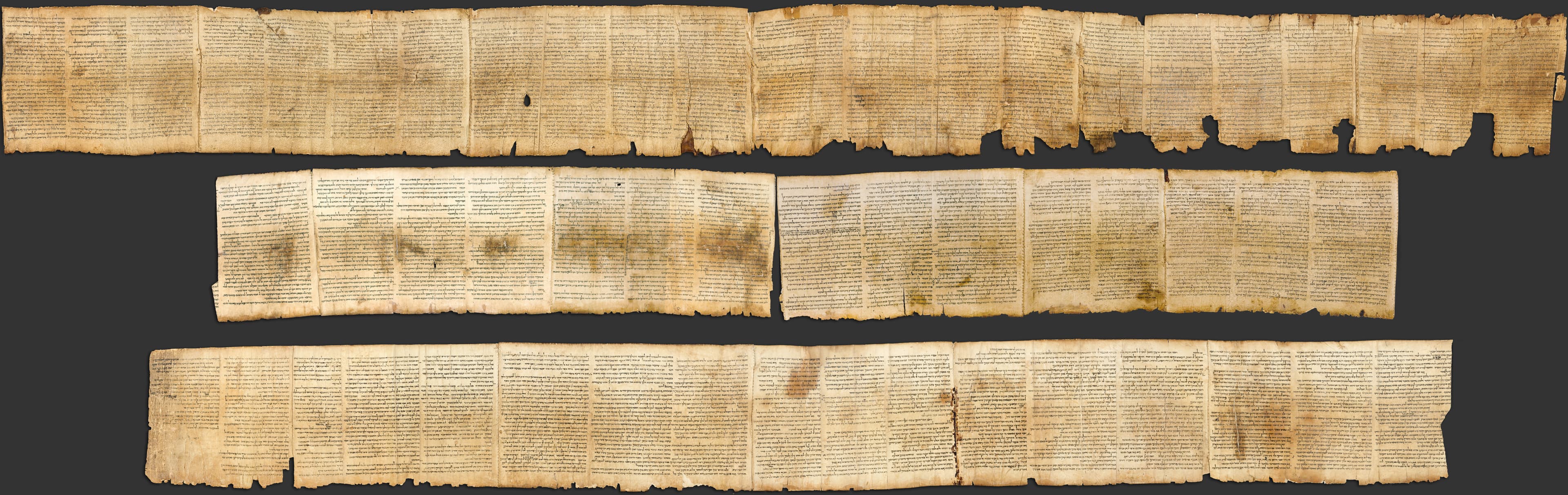
A collection of nearly 1,000 manuscripts discovered in caves near the Dead Sea. They include the oldest known copies of Hebrew Bible texts, predating...
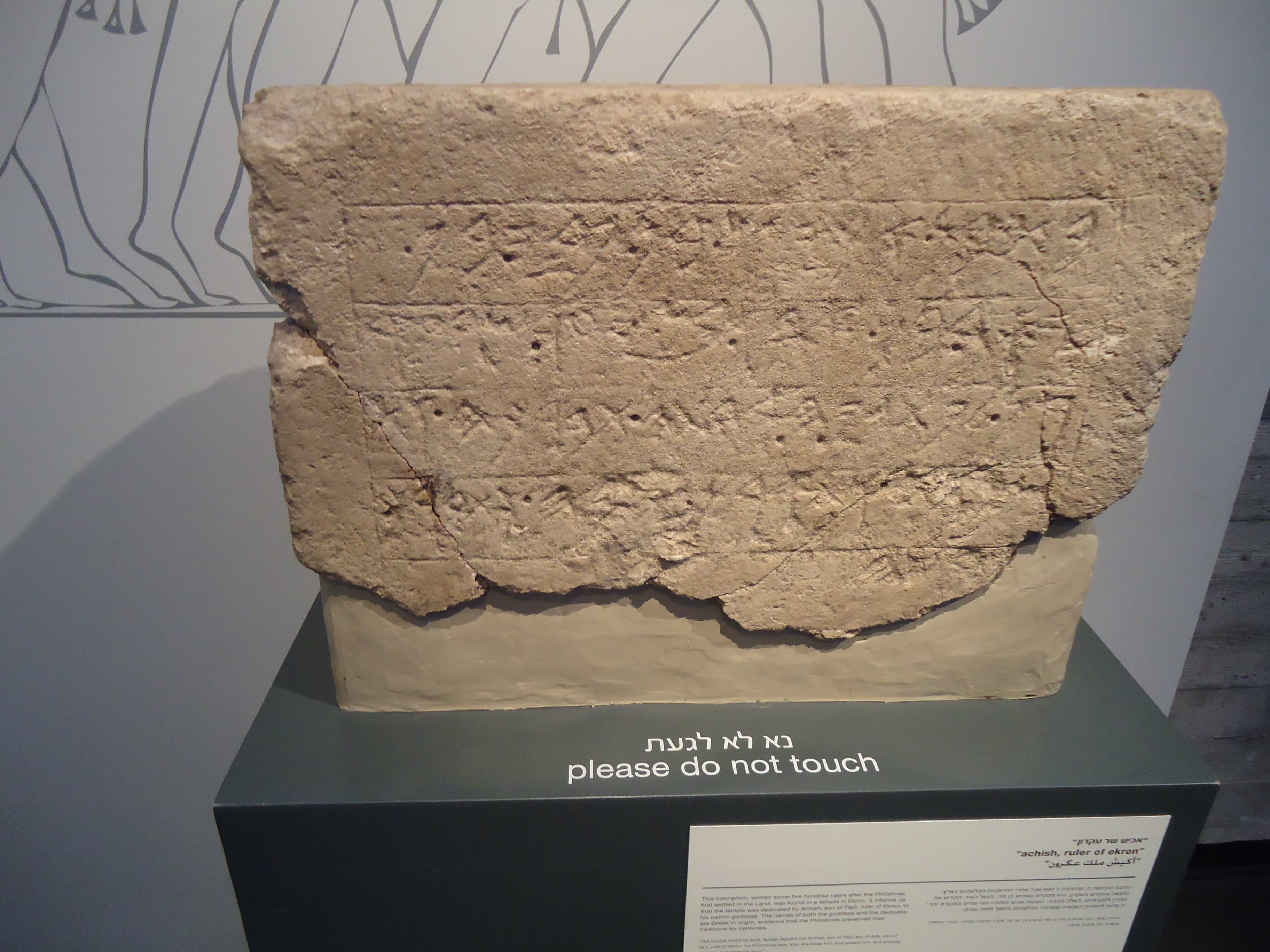
A royal dedicatory inscription from Tel Miqne (ancient Ekron) mentioning five rulers of the city, confirming the identity of one of the five chief Phi...
A collection of 5th-century BC papyrus documents from a Jewish military colony on Elephantine Island in Egypt, written in Aramaic.
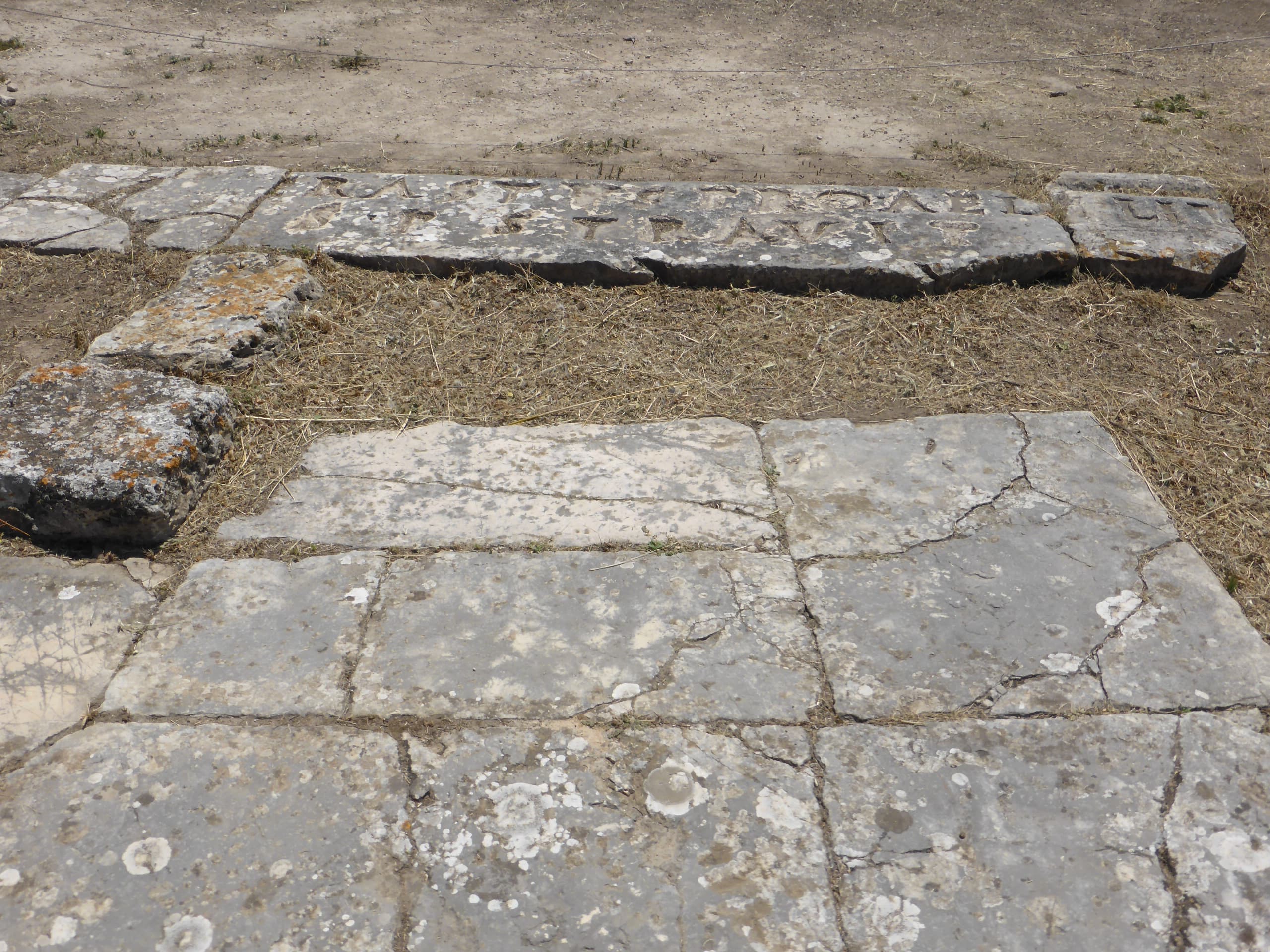
A Latin inscription found in Corinth reading 'Erastus, in return for his aedileship, laid this pavement at his own expense,' possibly the Erastus ment...
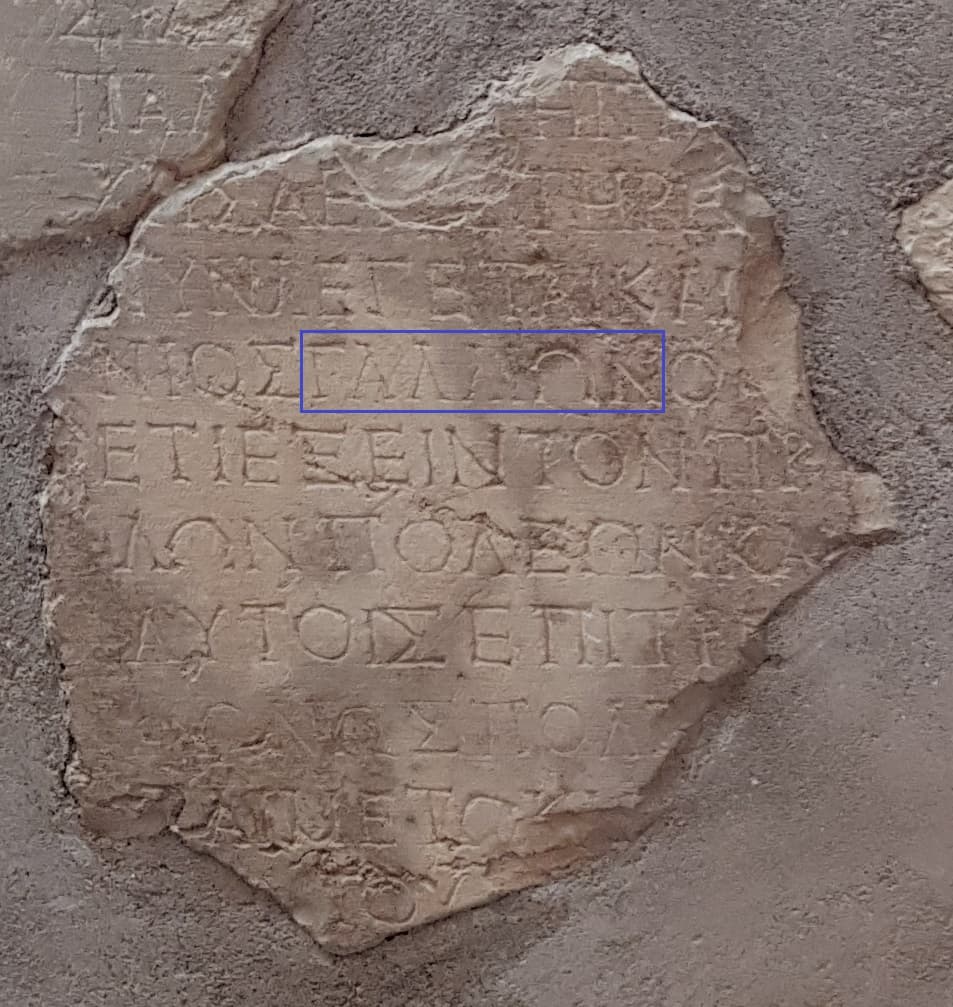
A fragmentary inscription from Delphi mentioning Gallio as proconsul of Achaia, providing a crucial chronological anchor for Paul's ministry in Corint...
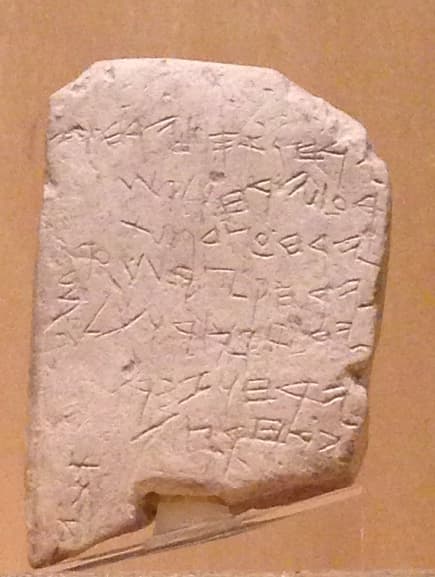
A small limestone tablet with a Hebrew inscription listing agricultural activities by month, one of the oldest known Hebrew inscriptions (10th century...
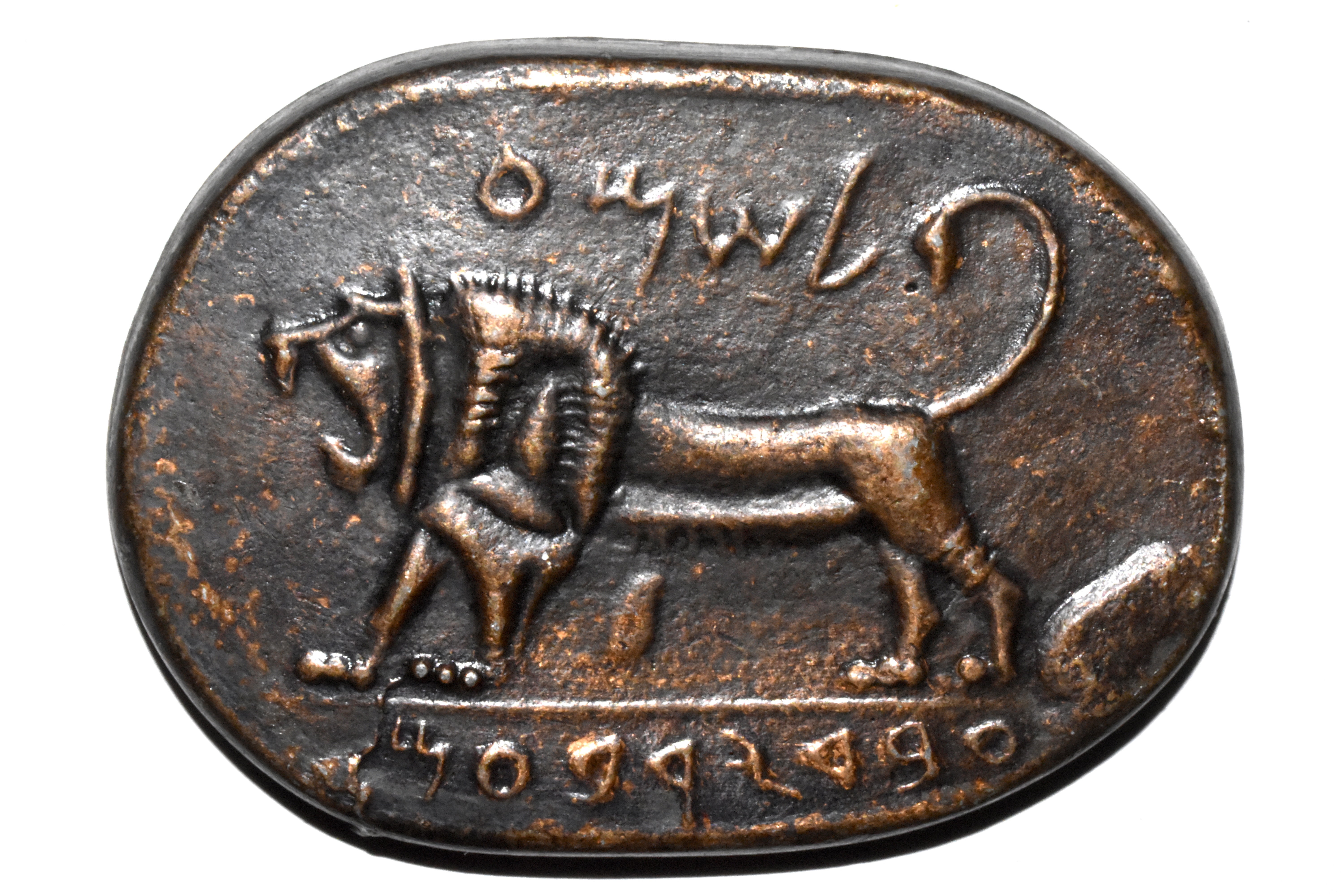
A clay seal impression bearing the inscription 'Belonging to Hezekiah [son of] Ahaz, King of Judah,' discovered during excavations in Jerusalem.
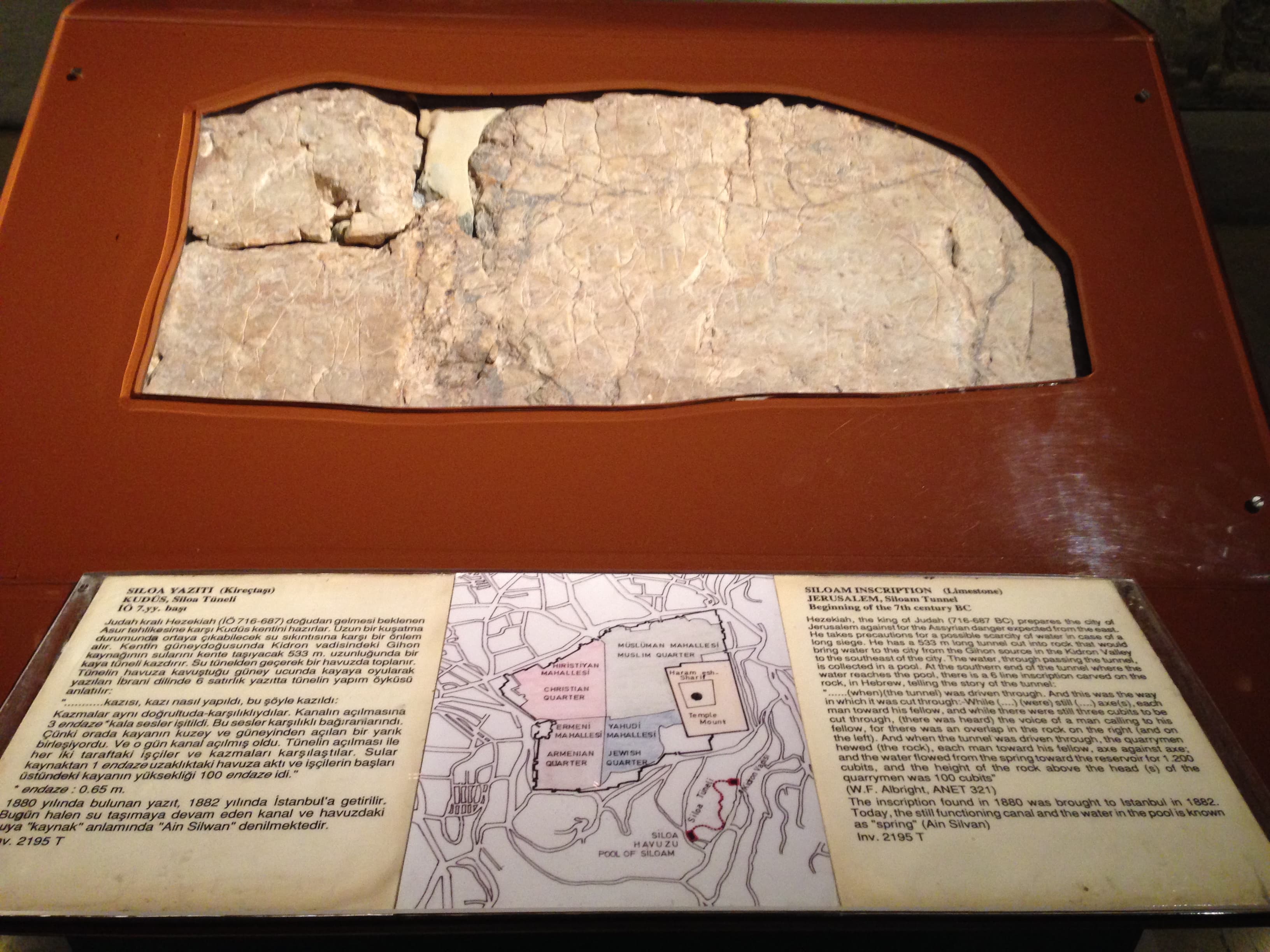
A 533-meter underground water tunnel carved through solid rock beneath Jerusalem during the reign of King Hezekiah, diverting the Gihon Spring inside...
A clay seal impression found near the Hezekiah bulla reading 'Belonging to Isaiah,' possibly the prophet Isaiah who served during Hezekiah's reign.
A small ivory pomegranate with a partially preserved Hebrew inscription reading 'Belonging to the Temple of the Lord,' potentially from Solomon's Temp...
A first-century limestone bone box bearing the Aramaic inscription 'James, son of Joseph, brother of Jesus.' Its authenticity has been debated by scho...
Archaeological remains of massive fortification walls at Tell es-Sultan (ancient Jericho), showing evidence of destruction consistent with the biblica...
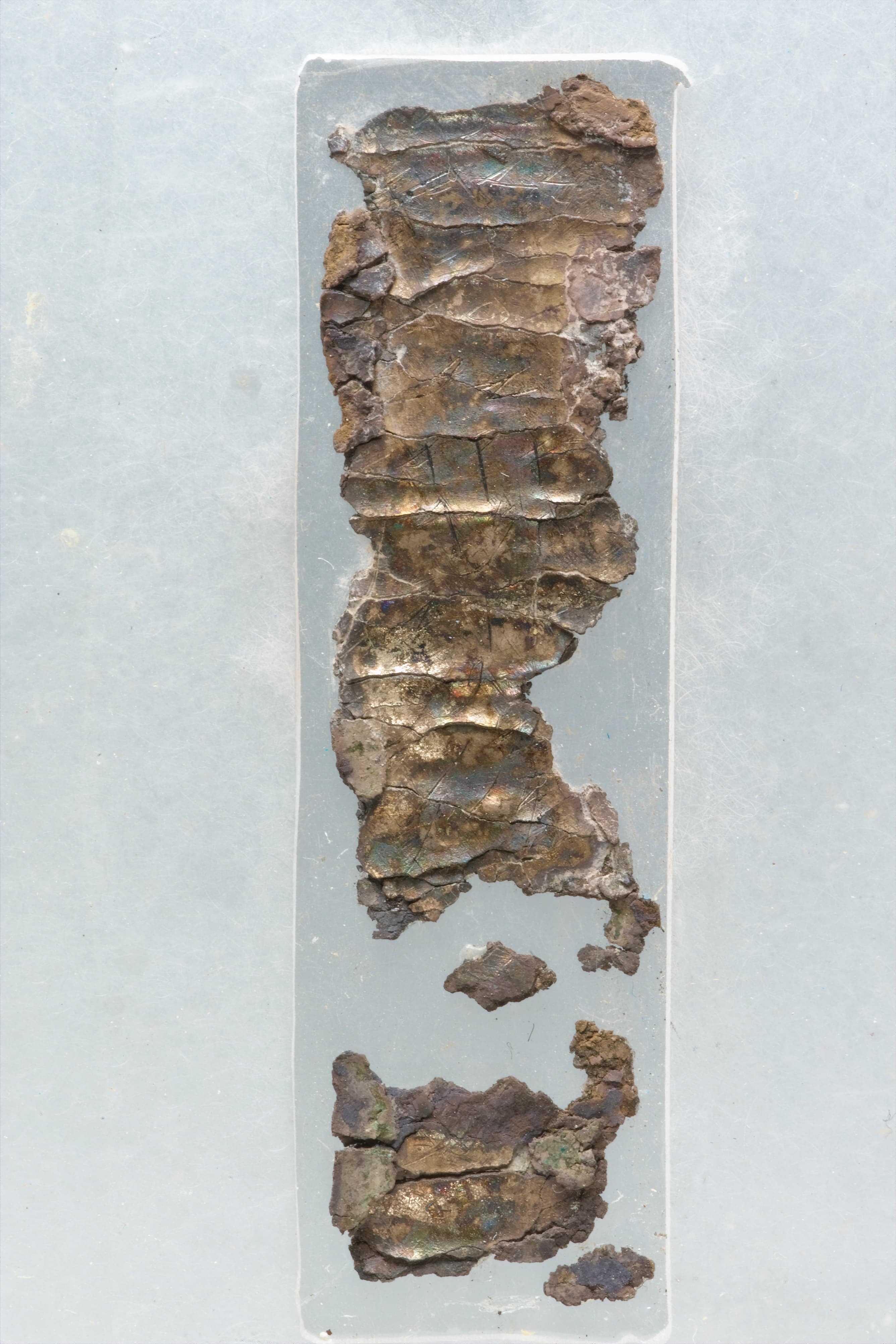
Two tiny silver scrolls containing the oldest known text from the Hebrew Bible — the Priestly Blessing from Numbers 6:24-26, dating to the 7th century...
An Assyrian monolith inscription describing the Battle of Qarqar (853 BC), listing 'Ahab the Israelite' as contributing 2,000 chariots and 10,000 sold...
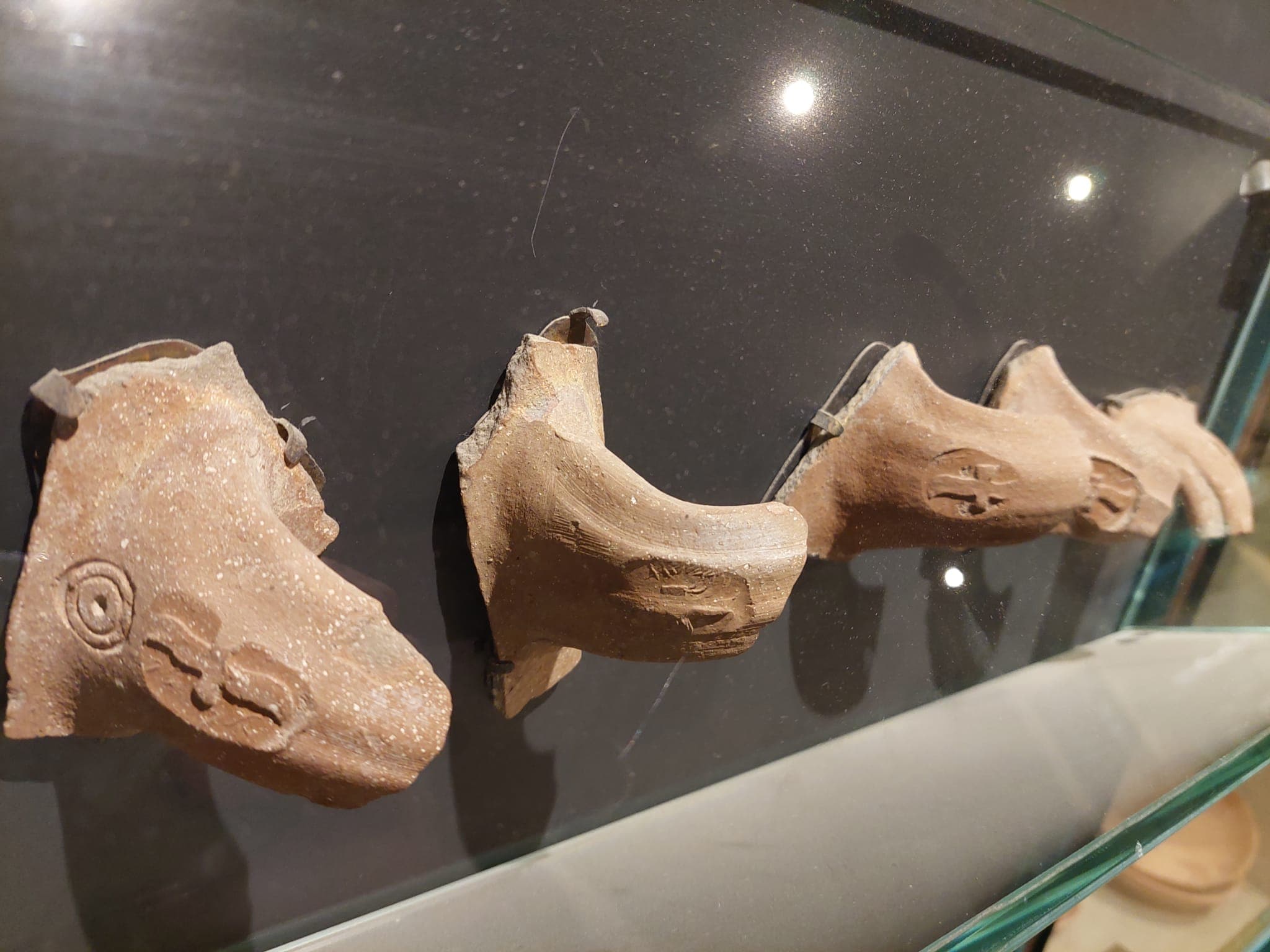
Over 2,000 stamped jar handles bearing the Hebrew inscription 'LMLK' (belonging to the king), found throughout Judah and dating to Hezekiah's reign.
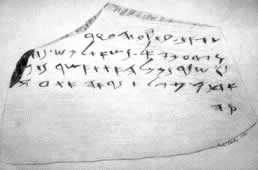
A collection of ostraca (inscribed pottery shards) found at Tell ed-Duweir, ancient Lachish. Written in Hebrew, they date to the last days before Nebu...
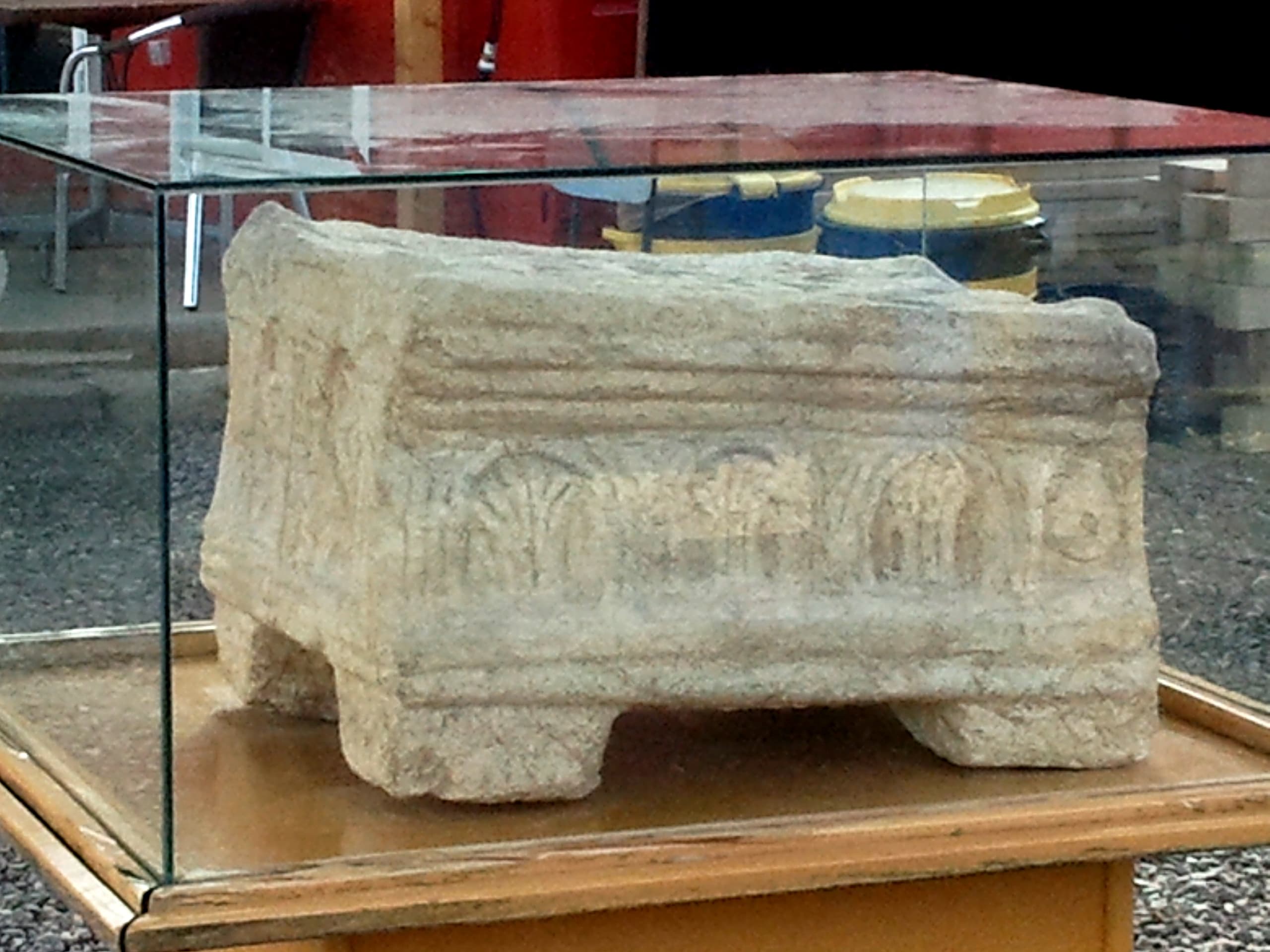
A carved stone block discovered in a 1st-century synagogue at Magdala (hometown of Mary Magdalene), featuring a unique seven-branched menorah carving.
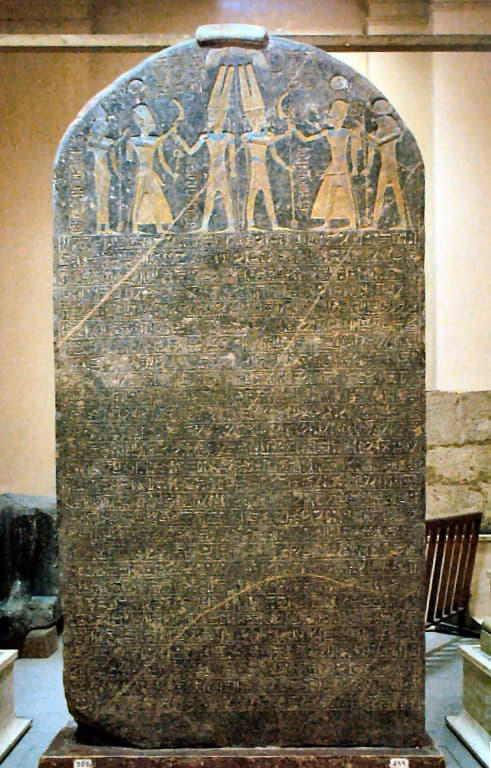
An Egyptian victory stele from Pharaoh Merneptah (c. 1208 BC) containing the earliest known extra-biblical reference to 'Israel' as a people in Canaan...
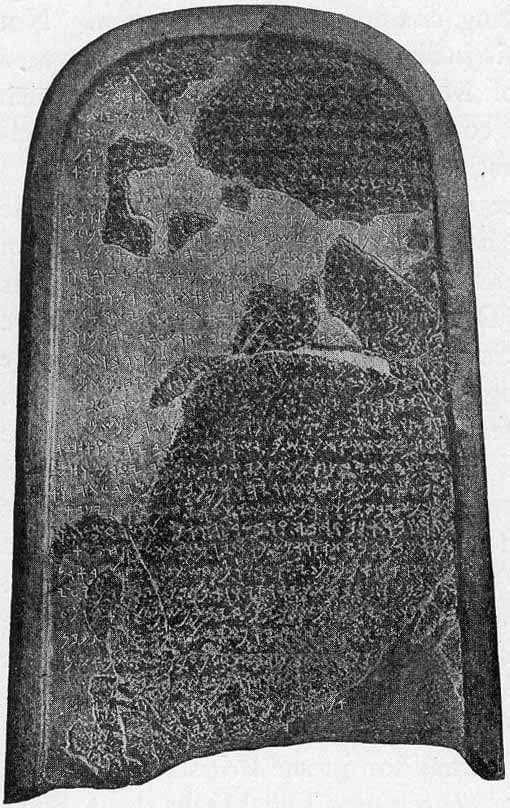
A basalt stele erected by King Mesha of Moab around 840 BC, recording his victories over Israel. It mentions the Israelite God YHWH and the 'House of...
A Babylonian clay tablet recording the fall of Babylon to the Persian forces of Cyrus the Great in 539 BC without a battle.
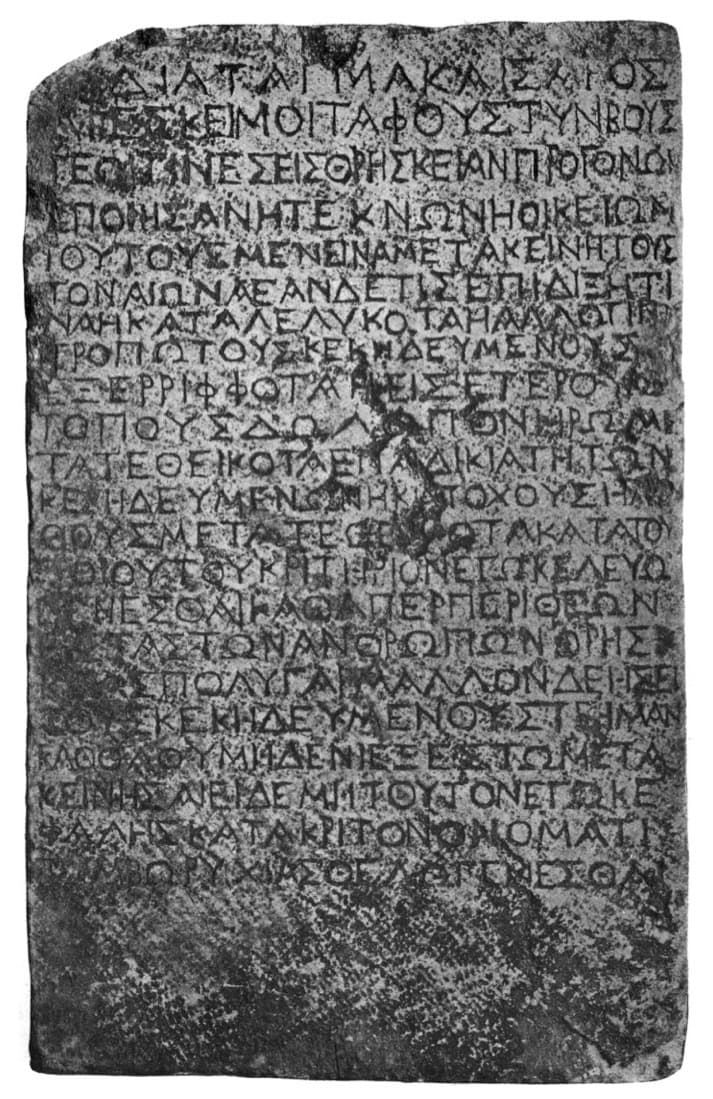
A marble tablet with a Greek inscription issued by an unnamed Caesar (possibly Claudius), imposing the death penalty for disturbing graves or moving b...
A small Babylonian clay tablet mentioning Nebo-Sarsekim as chief eunuch of Nebuchadnezzar II, the same official named in Jeremiah 39:3.
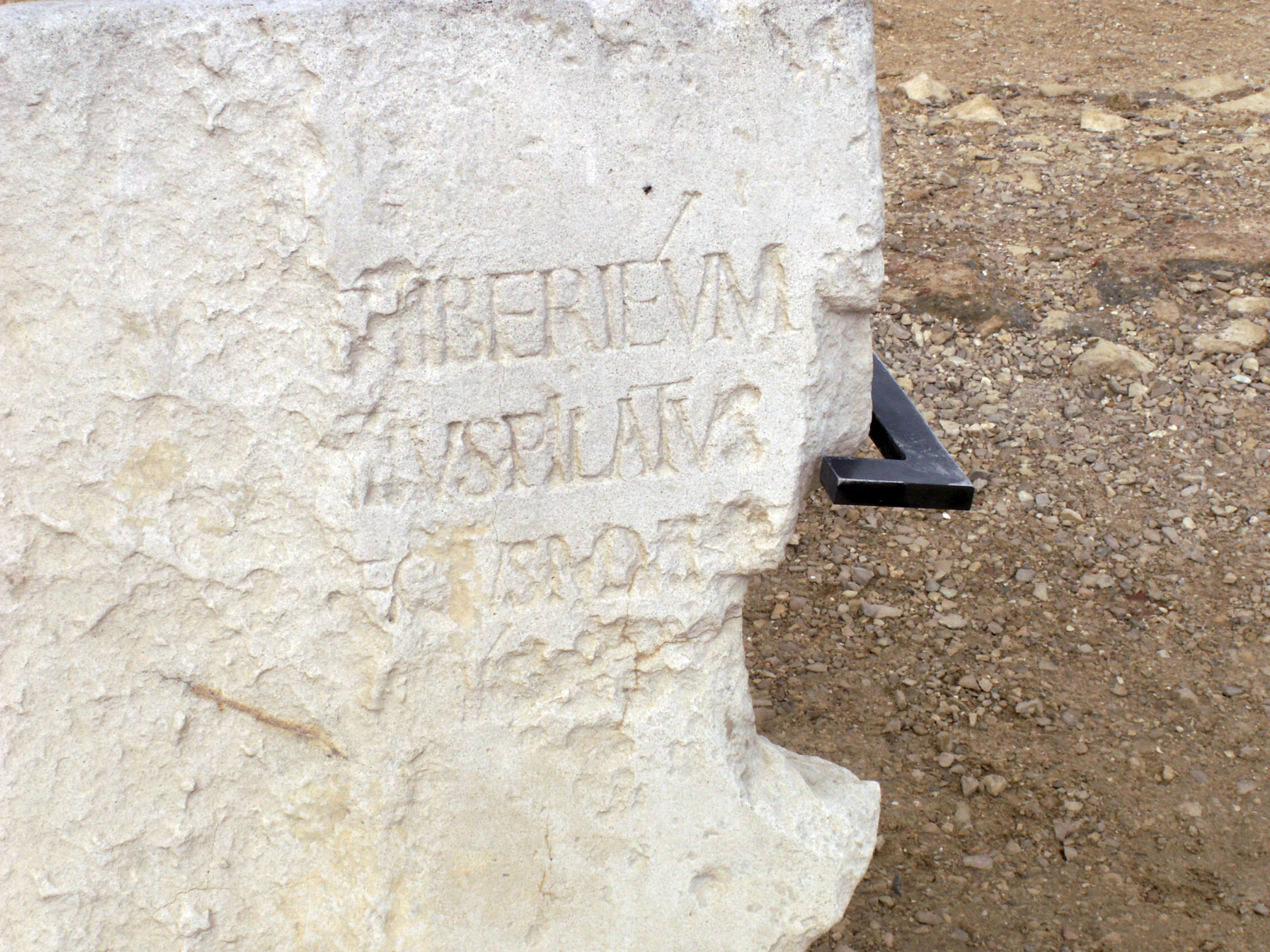
A limestone block bearing a dedicatory inscription from Pontius Pilate, identifying him as prefect of Judaea. Found in the ruins of a Roman theater at...
A bronze ring discovered at the Herodium fortress bearing a Greek inscription reading 'of Pilatus,' potentially belonging to Pontius Pilate or someone...
Greek inscriptions from Thessalonica using the title 'politarch' (city official), a term once thought to be an error by Luke in the Book of Acts.
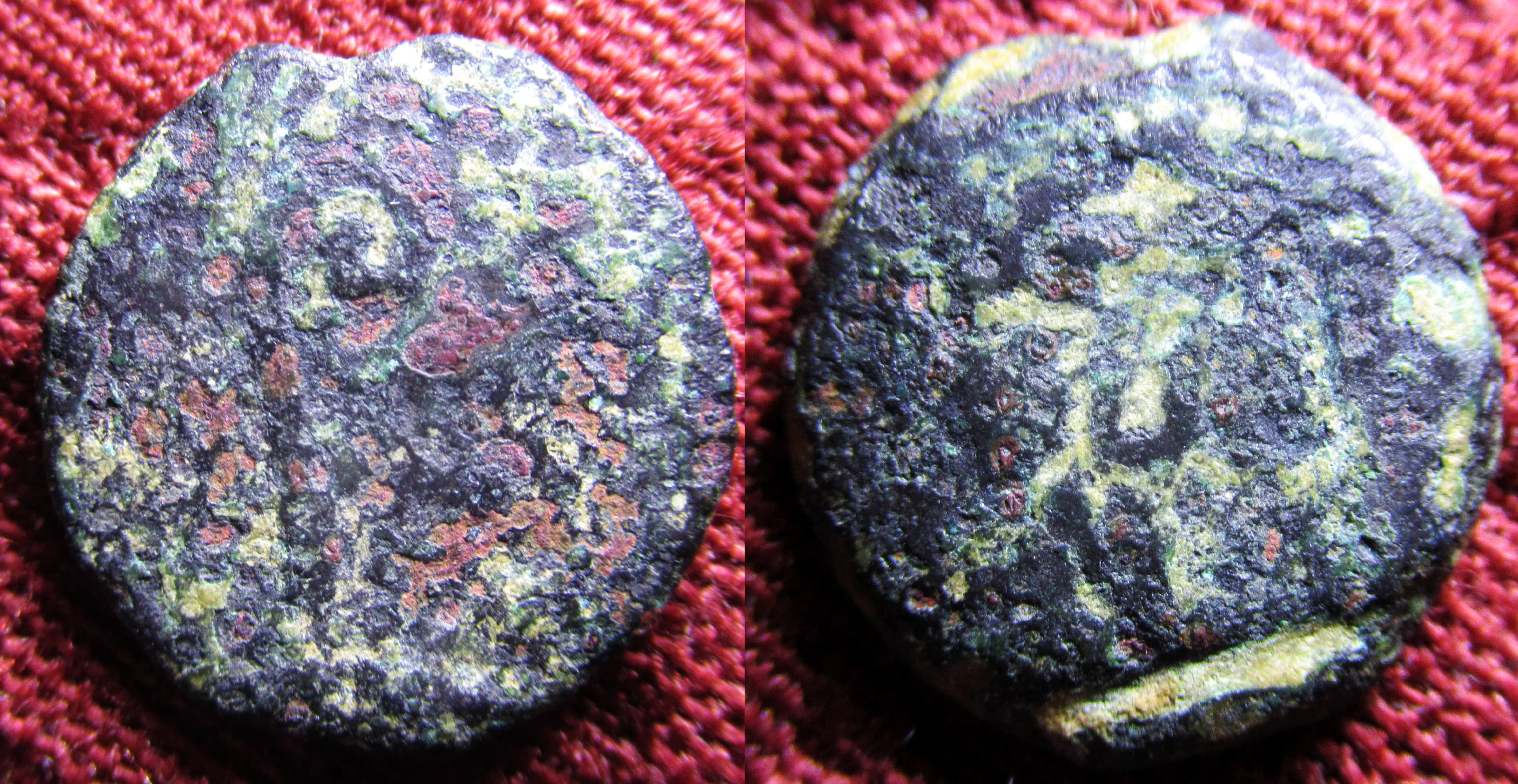
Bronze prutah coins minted under Pontius Pilate as prefect of Judaea (AD 26-36), featuring a simpulum (ladle) and lituus (augur's wand) — Roman religi...
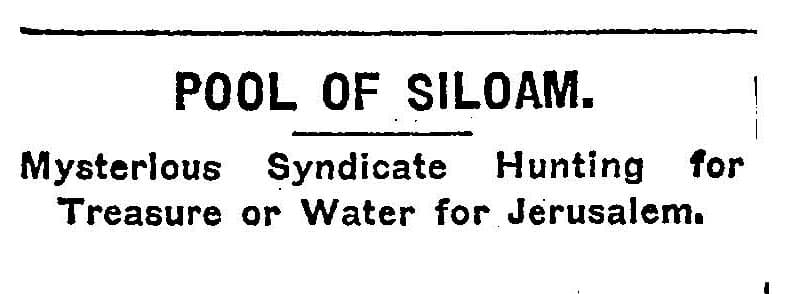
A rock-cut pool at the southern end of Hezekiah's Tunnel in Jerusalem, identified as the Pool of Siloam where Jesus healed a blind man (John 9:7).
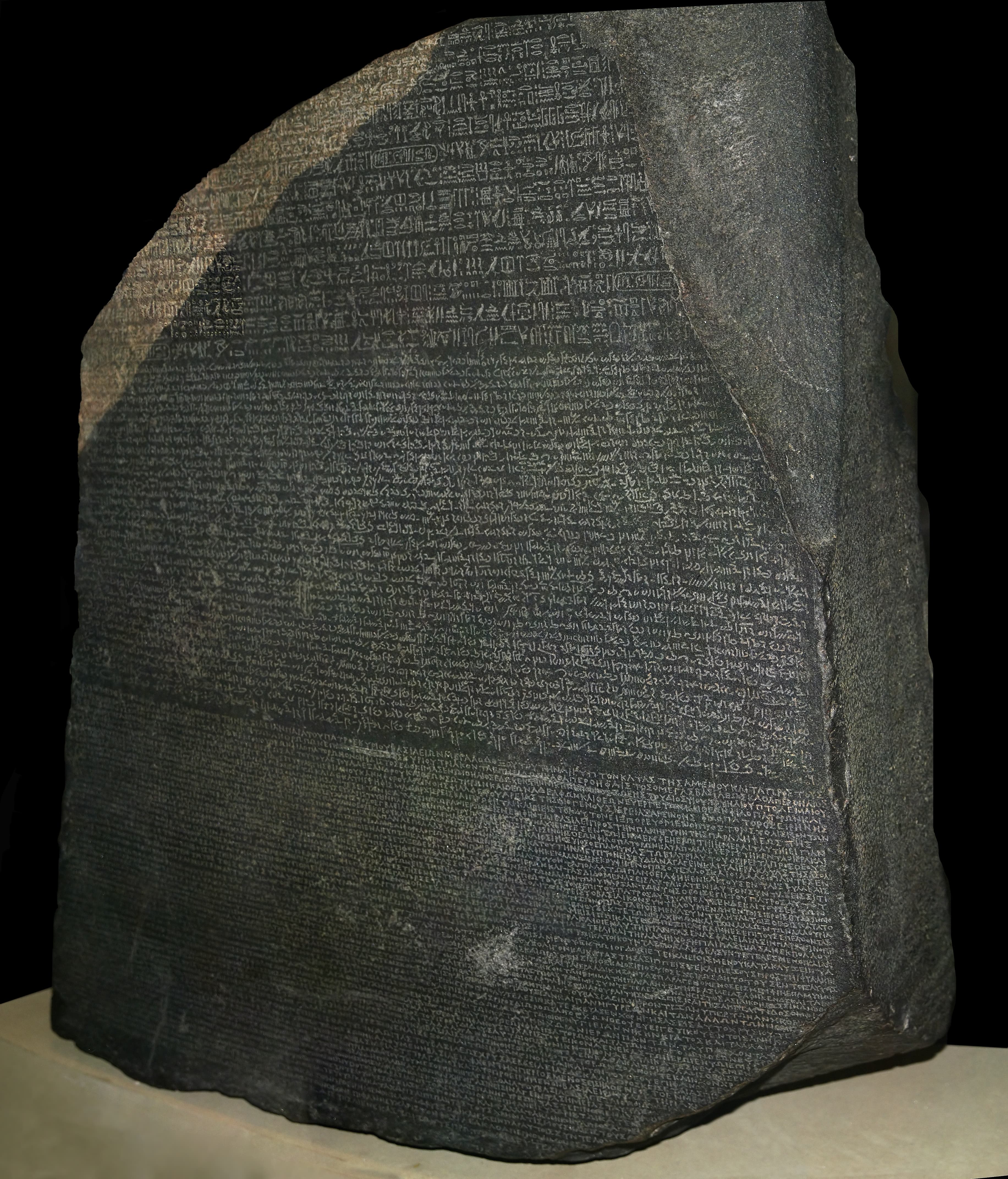
A granodiorite stele inscribed with a decree in three scripts: Egyptian hieroglyphics, Demotic, and Ancient Greek. Its discovery enabled the decipherm...
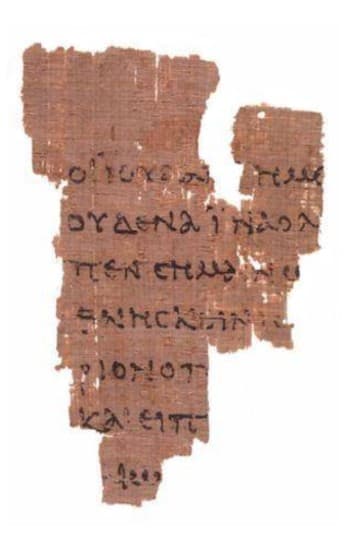
A small fragment of papyrus containing verses from the Gospel of John (18:31-33, 37-38), dated to approximately AD 125, making it the earliest known N...
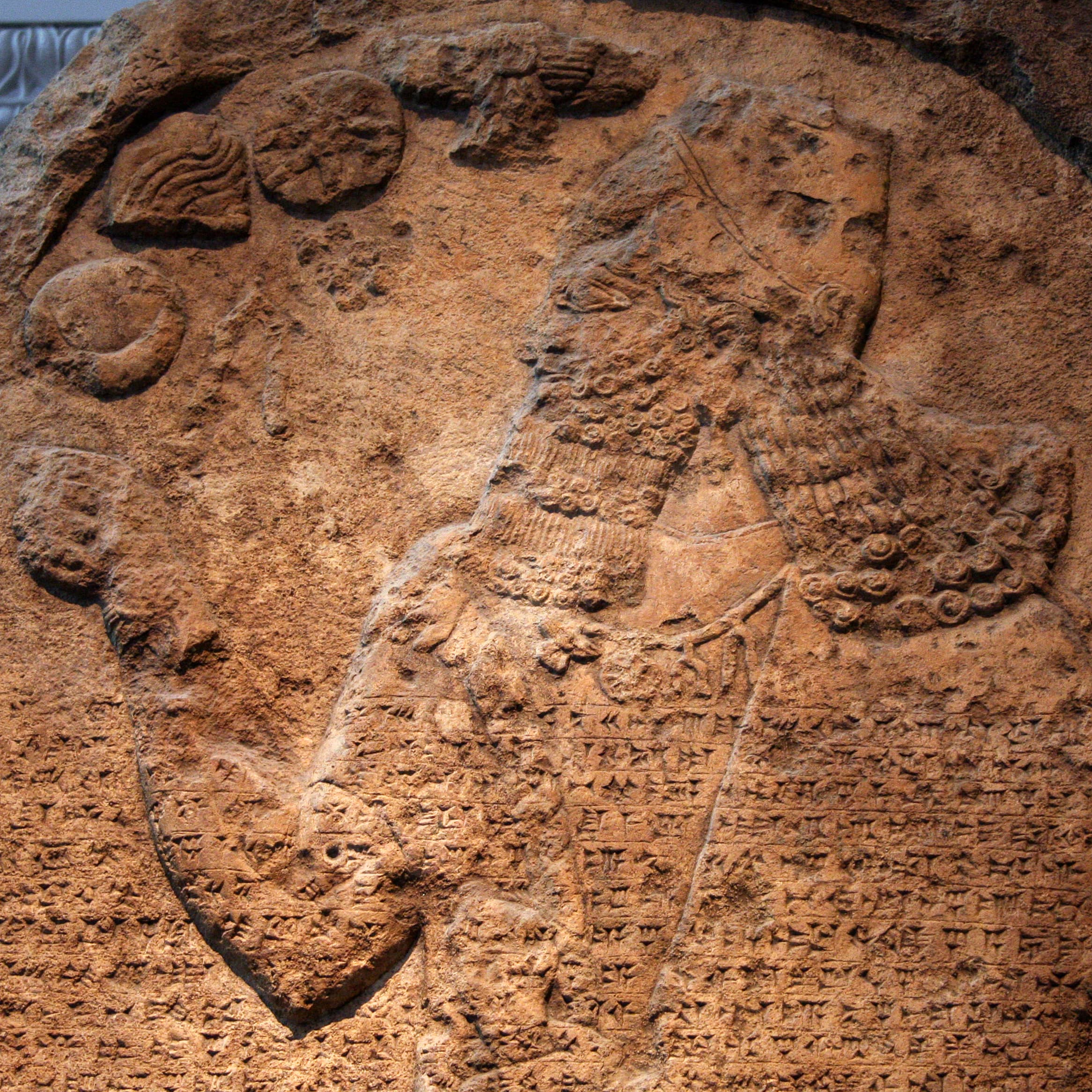
Cuneiform inscriptions from Sargon II's palace at Khorsabad describing his conquest of Samaria and deportation of 27,290 Israelites in 722 BC.
A clay seal impression reading 'Belonging to Berekhyahu, son of Neriyahu, the scribe' — identified as Baruch, the personal scribe of the prophet Jerem...
A jasper seal inscribed 'Belonging to Shema, servant of Jeroboam,' found at Megiddo, referencing a high official of King Jeroboam II of Israel (8th ce...
Carved stone panels from Sennacherib's palace at Nineveh depicting the Assyrian siege and conquest of the Judean city of Lachish in 701 BC.
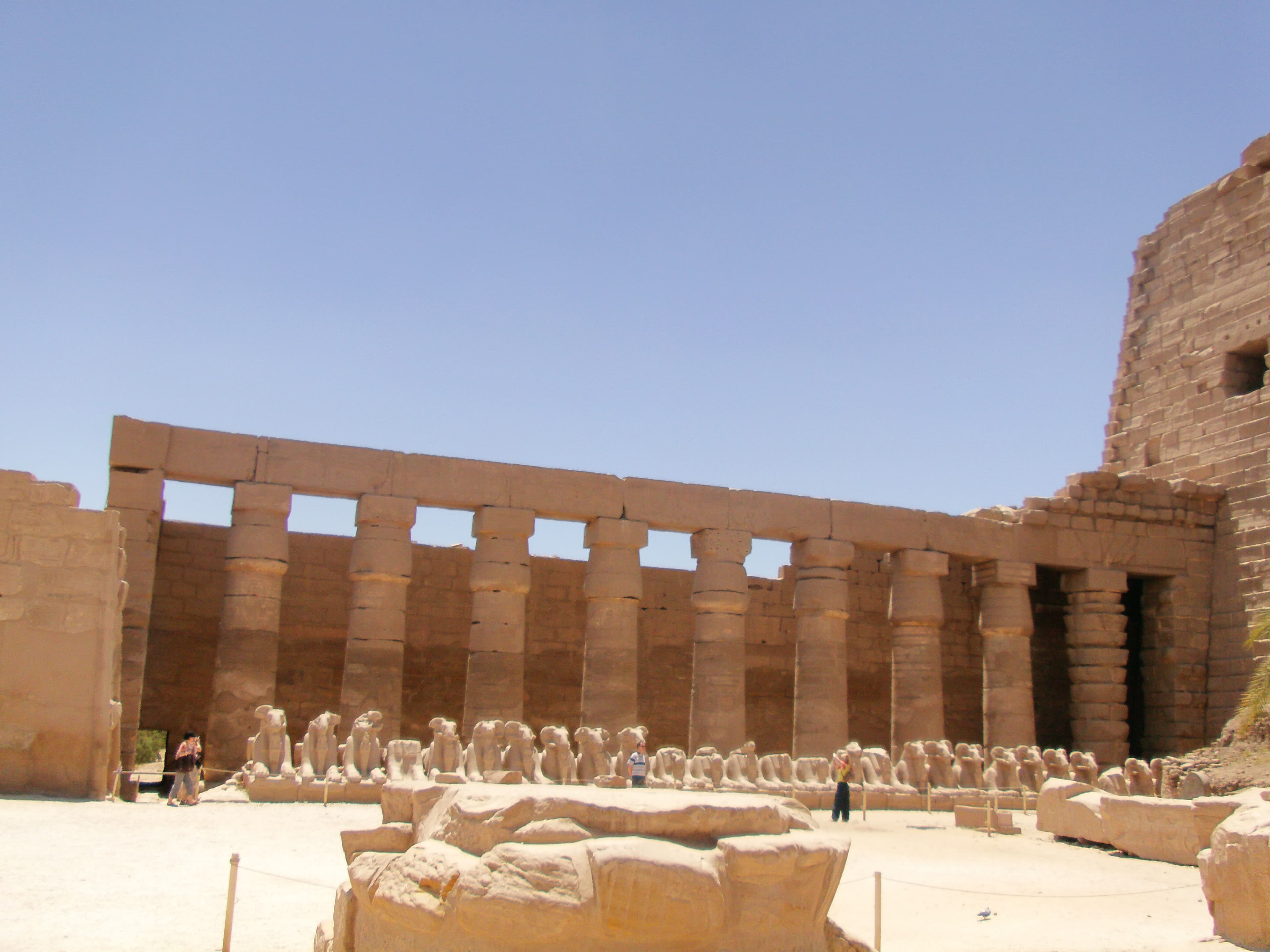
A large relief at the Temple of Karnak in Egypt depicting Pharaoh Sheshonq I's military campaign into Israel and Judah, listing over 150 conquered cit...
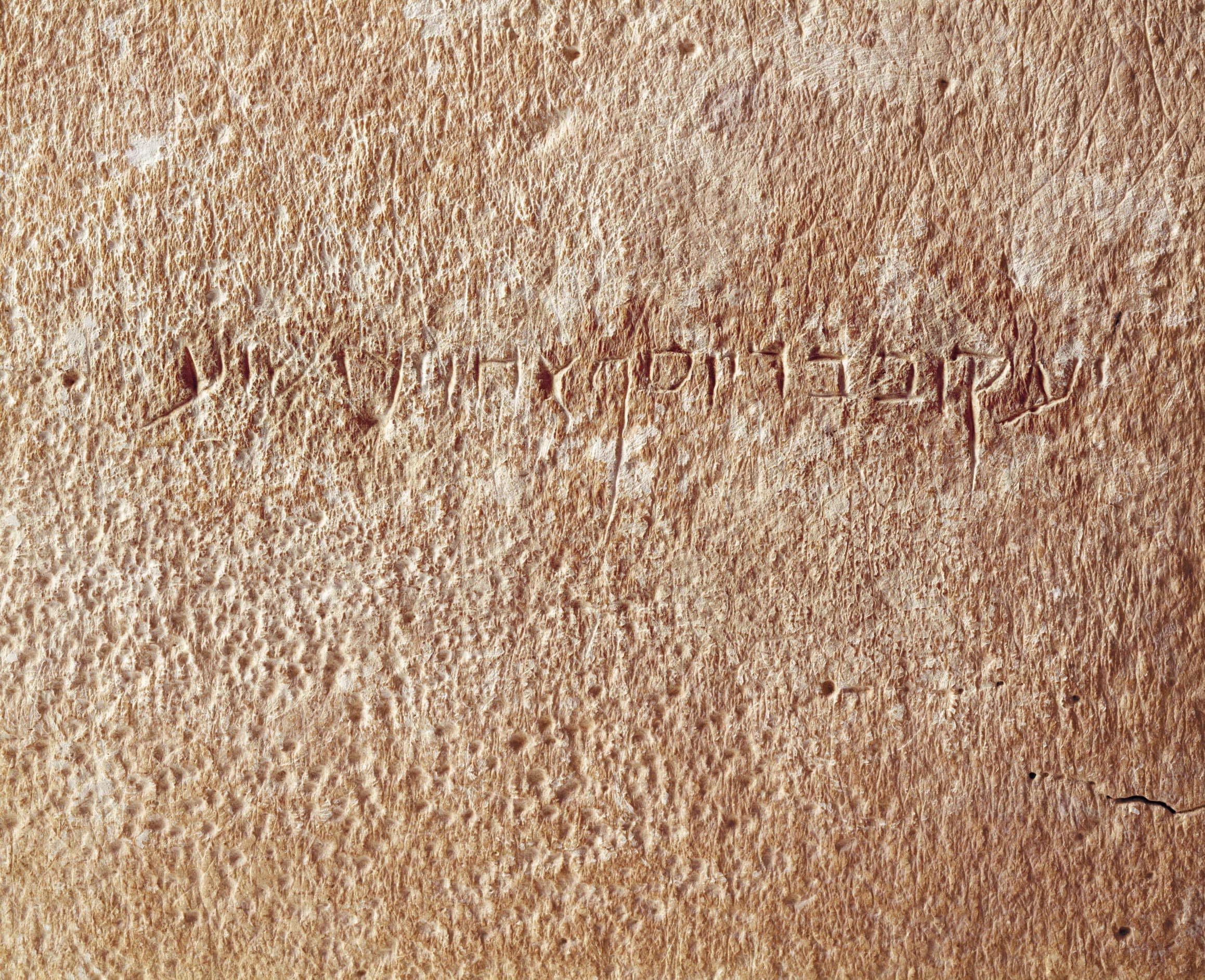
A Hebrew inscription carved into the wall of Hezekiah's Tunnel, describing how two teams of workers tunneling from opposite ends met in the middle.
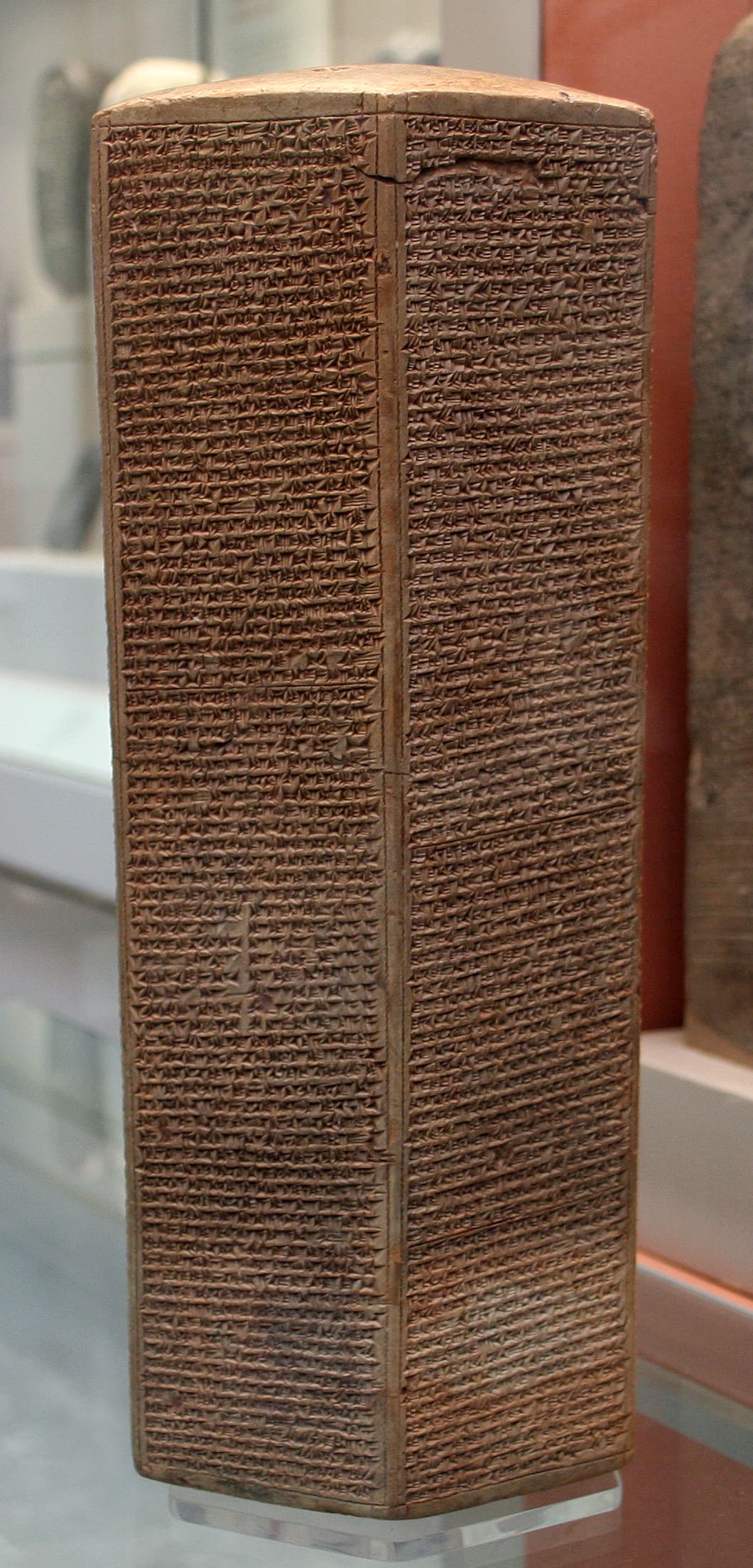
A hexagonal clay prism containing Sennacherib's account of his military campaigns, including his siege of Jerusalem during King Hezekiah's reign.
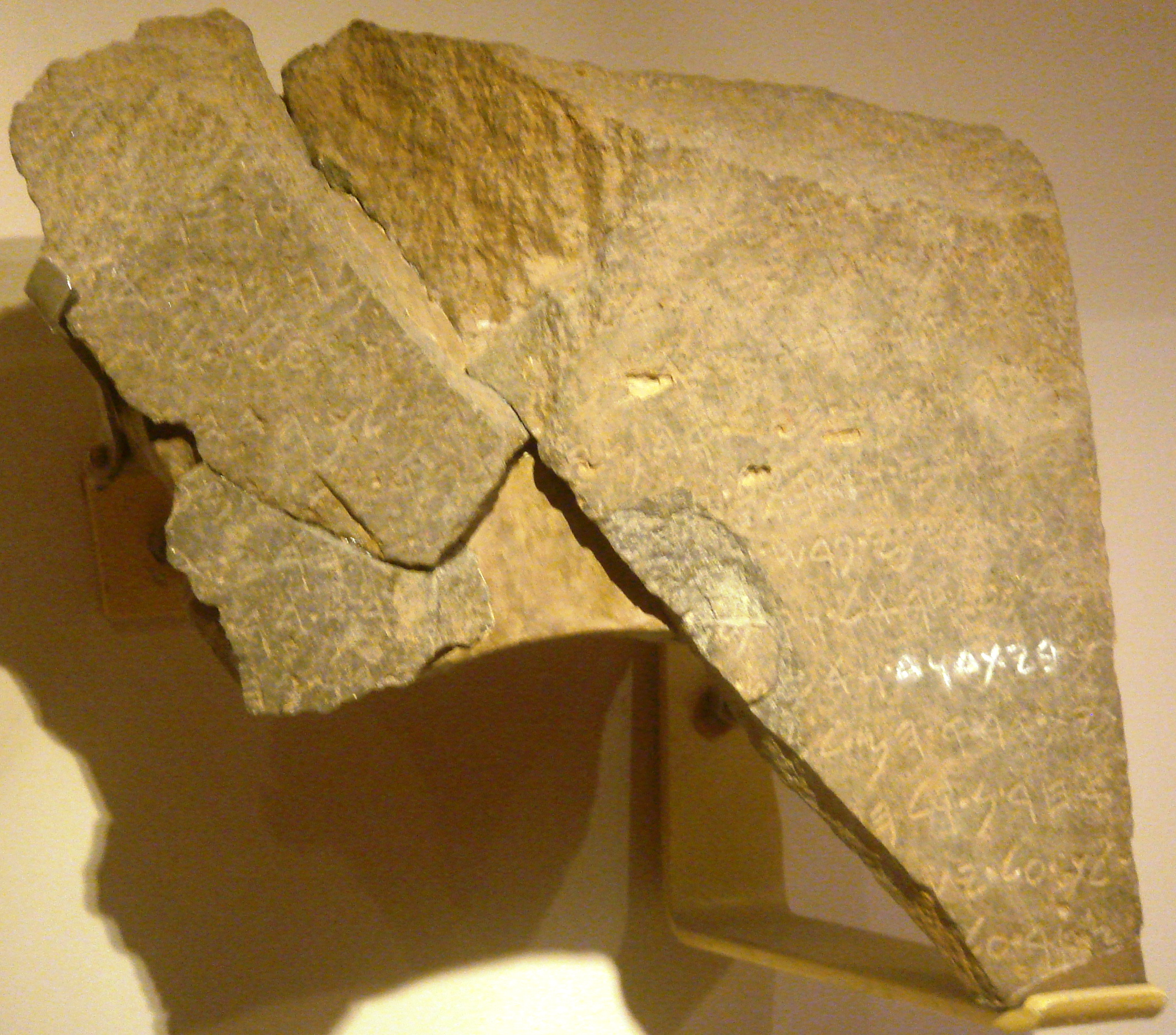
A fragmentary Aramaic stele discovered at Tel Dan in northern Israel. It contains the phrase 'House of David' — the first mention of King David found...